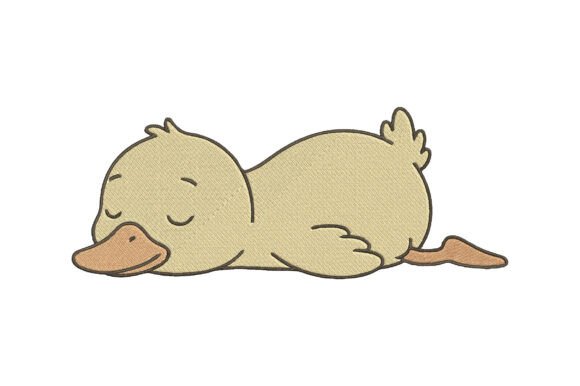
Cute Sleeping Duck Embroidery Design Review
As I set up my booth for the upcoming weekend craft fair, the table is a chaotic mix of fabrics, hoops, and half-finished samples. In this high-pressure environment where every square inch counts, selecting the right machine embroidery design can make or break a sale. Today, I am reviewing the Cute Sleeping Duck Embroidery Design, a digital file that promises to add a soft and peaceful touch to our collection. With the current market leaning heavily toward cozy, nostalgic, and nature-inspired aesthetics, this design feels like a strategic addition to my inventory of handmade products.
First Impressions: A Cozy Farmhouse Vibe
When I first opened the embroidery file, the visual impact was immediate. This is not a bold, aggressive statement piece; rather, it exudes a gentle, soothing energy. The sleeping duck features a calm, resting pose with closed eyes, which instantly categorizes it as a perfect fit for the modern farmhouse and cottagecore trends dominating Etsy and local markets. It feels decorative yet intimate, offering a sense of tranquility that customers often seek in home goods. Unlike busy patterns that compete for attention, the Cute Sleeping Duck Embroidery Design stands out through its simplicity and charm, making it an excellent candidate for a craft fair product designed to evoke an emotional response.
The silhouette is clean, avoiding overly complex details that might get lost on textured fabrics. This clarity is crucial when you are selling commercial embroidery items where speed and consistency matter. The design strikes a balance between being a focal point and a subtle accent, giving me flexibility in how I apply it across different product lines.
Product Application: Where It Sells Best
In preparing my display, I evaluated how this specific Birds category design performs on various substrates. For tote bag design projects, the sleeping duck works beautifully as a central motif on canvas bags. The sturdy fabric holds the stitches well, and the image pops against neutral tones like cream, sage green, or dusty blue. These bags are high-margin items that appeal to eco-conscious shoppers looking for unique handmade product options.
I also tested the concept on kitchen linens. As a tea towel embroidery project, the design transforms a utilitarian item into a giftable keepsake. The softness of the duck's expression complements the warmth of a kitchen setting. Similarly, for apron embroidery, placing the design near the pocket creates a charming detail that catches the eye without overwhelming the garment. These items are staples at any creative entrepreneur's booth because they offer practical utility wrapped in aesthetic appeal.
For smaller, impulse-buy items, I considered using the design as an embroidered patch. Patches are incredibly popular right now, allowing customers to customize their own jackets or bags. However, the success here depends entirely on the scale. If the design is too small, the "sleeping" expression might lose its nuance. Conversely, on larger items like pillow covers or market bags, the Cute Sleeping Duck Embroidery Design becomes a statement piece that draws people in from across the room.
Production Practicality for Small Shop Owners
From a production standpoint, efficiency is key. When running batch production for a weekend market, I need designs that stitch quickly and reliably. This design appears to have a manageable stitch density, which reduces the risk of puckering on lighter fabrics. However, as an experienced designer, I always advise testing the digital embroidery file on scrap fabric first. Even if the preview looks perfect, real-world variables like thread tension and fabric weave can alter the outcome.
One critical factor is the hoop size. Before committing to a full run of small shop product inventory, verify that your machine hoop accommodates the design comfortably. If the design requires a large hoop but you are working on curved surfaces like caps, you may encounter registration issues. While the description suggests a "calm, resting pose," translating that onto a rounded cap surface requires careful stabilizer placement to prevent distortion.
Another consideration is the fabric texture. On thick terry cloth towels, the needle must penetrate deeper, potentially affecting the crispness of the tiny details like the duck's beak or closed eyes. Using the right stabilizer is non-negotiable here. A cut-away stabilizer might be necessary for stretchy fabrics like jersey, while a tear-away could suffice for structured cottons. Ensuring the foundation is solid guarantees that the finished product looks professional and durable.
Visual Appeal and Customer Engagement
The power of the Cute Sleeping Duck Embroidery Design lies in its ability to stop a shopper in their tracks. At a crowded craft fair, visual clutter is the enemy. This design offers a moment of calm amidst the noise. Its "cute" factor triggers an emotional connection, often leading to higher conversion rates. Customers are more likely to purchase an item that makes them smile or reminds them of a peaceful afternoon by the pond.
For online sales, particularly for the Etsy seller, photography is everything. This design photographs exceptionally well due to its defined shapes and lack of chaotic lines. When creating printable mockup images for your listings, the clean lines of the duck allow for clear, high-resolution shots that accurately represent the thread colors. Whether you use pastel threads for a baby-themed collection or earth tones for a rustic line, the design adapts gracefully.
Furthermore, incorporating this design helps maintain brand consistency. If your brand identity revolves around comfort, nature, and quality, this design asset reinforces that message. It signals to the buyer that you curate your products with care, adding perceived value to your handmade product offerings.
Designer Notes and Final Checklist
Before you rush to produce your entire inventory, take a moment to review these essential steps:
- Test Stitching: Always run a test on the exact fabric you plan to sell. Check for skipped stitches or excessive back-tacking.
- Thread Contrast: Ensure the thread colors you choose contrast sufficiently with the background fabric. A dark duck on a dark navy bag might disappear in poor lighting.
- Licensing Verification: Confirm your commercial embroidery license terms. Some files restrict the number of finished products you can sell, so read the documentation carefully before scaling up.
- Detail Inspection: Zoom in on the digital file to check for tiny details that might not render well at smaller sizes. If the eyes are too small, consider adjusting the scale or simplifying the area.
- Mockup Creation: Create at least one physical sample to photograph. Real photos of the finished product sell better than digital renders alone.
The Cute Sleeping Duck Embroidery Design is a versatile and charming addition to any maker's portfolio. It bridges the gap between functional goods and sentimental decor, making it a strong contender for both physical booths and online storefronts. By paying attention to production details and presenting it on the right materials, you can turn this simple Embroidery file into a best-selling staple for your business.