Easter Chicken Embroidery: A Designer’s Review
As an embroidery designer who has spent countless weekends behind a craft fair booth, I know that not every machine embroidery design translates into a bestseller. Some designs are technically impressive but fail to catch the eye of a passing customer. Others are simple, charming, and practically print money. Today, I am reviewing the Easter Chicken Machine Embroidery design to determine if it deserves a spot in your spring product lineup.
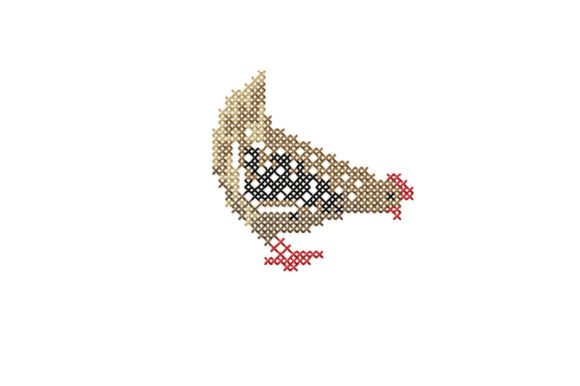
This specific embroidery file is described as a cross-stitch chicken design intended for Easter decor. It claims compatibility with all types of embroidery machines and notes that it looks particularly beautiful on natural fabrics. From a professional standpoint, these are promising indicators, but let us dig deeper into how this design performs in the real world of handmade sales.
First Impressions and Aesthetic Appeal
The moment I loaded the Easter Chicken Machine Embroidery onto my screen, the aesthetic was clear. The cross-stitch style lends itself to a rustic, farmhouse vibe that is incredibly popular in the current handmade market. It does not feel overly modern or minimalist; instead, it carries a warm, nostalgic charm. This is crucial because craft fair product buyers often look for items that feel personal and traditional.
The design feels festive without being garish. It strikes a balance between cute and decorative, making it versatile enough for various demographics. Whether you are targeting young families looking for holiday gifts or older customers who appreciate classic needlework aesthetics, this design has broad appeal. The visual simplicity ensures that it is easy to understand at a glance, which is vital when you only have seconds to capture a browser’s attention in a busy aisle.
Product Versatility and Sales Potential
One of the strongest assets of this design is its adaptability. I evaluated how it would look on several common handmade product categories, and the results were encouraging.
- Tote Bags: As a tote bag design, the chicken motif stands out beautifully against canvas or cotton. The cross-stitch texture mimics hand-embroidery, adding perceived value to the item.
- Kitchen Textiles: For tea towel embroidery or apron accents, the design works well as a focal point. Since the description highlights natural fabrics, linen or heavy cotton towels will enhance the rustic feel.
- Apparel and Accessories: On caps or small pouches, the design serves as a charming accent. However, placement is key. On a curved cap surface, ensure the design is centered and properly stabilized to prevent puckering.
- Home Decor: Pillow covers and market bags benefit from the larger scale of this motif. It creates a cohesive look when paired with other spring-themed items in your booth.
For Etsy seller accounts and online shops, this design photographs exceptionally well. The distinct lines of the cross-stitch style create high contrast in images, making your printable mockup or product photos pop on social media feeds. This visual clarity can significantly boost click-through rates for your digital embroidery file listings or finished goods.
Production Practicality for Small Shops
When running a small shop product line, efficiency is everything. You need designs that are repeatable for batch production without constant troubleshooting. The Easter Chicken Machine Embroidery appears to be straightforward, but there are technical considerations to keep in mind.
Since the design mimics cross-stitch, it likely relies on specific stitch patterns to create that pixelated or woven look. You must check the stitch density carefully. If the density is too high, it may cause the fabric to pucker, especially on lighter materials like tea towels. Conversely, if it is too low, the design might look sparse and unfinished. Always test on scrap fabric first.
Another critical factor is the hoop size. Ensure that the design fits comfortably within your standard hoops without requiring excessive re-hooping, which slows down production. If the design is large, consider breaking it into smaller elements if your machine allows, though a single hoop is always preferable for speed.
Careful-Use Notes and Technical Adjustments
While the design is versatile, it is not without its challenges. Here are some practical notes for execution:
- Fabric Texture: The description states it looks beautiful on natural fabrics. This is accurate. Avoid shiny synthetics, as they clash with the rustic cross-stitch aesthetic. Stick to cotton, linen, and canvas.
- Thread Colors: To maintain the cross-stitch illusion, use matte threads rather than glossy rayon. Earthy tones or pastel spring colors will enhance the Easter theme without looking cheap.
- Stabilizer Selection: Use a cut-away stabilizer for stretchy fabrics like tote bags to ensure longevity. For woven towels, a tear-away may suffice, but test for residue.
- Small Details: If the design includes tiny details or small lettering, be cautious. These can get lost if the design is scaled down too much for small patches or coins purses.
- Dark Fabrics: Cross-stitch styles often rely on light backgrounds. If embroidering on dark fabric, ensure you have adequate underlay stitches to prevent the background color from showing through the design gaps.
Enhancing Brand Consistency and Buyer Engagement
Incorporating Easter Chicken Machine Embroidery into your collection can strengthen your brand identity if you specialize in rustic or holiday-themed goods. It signals to customers that you pay attention to seasonal trends while maintaining a consistent quality of commercial embroidery.
From a buyer engagement perspective, this design invites interaction. Customers often touch embroidered items to feel the texture. The raised nature of the cross-stitch style provides a tactile experience that flat prints cannot match. This sensory engagement can be the deciding factor in a purchase at a craft fair.
Furthermore, using this design across multiple product types—such as matching aprons and tea towels—creates bundle opportunities. Bundles increase average order value and help move inventory faster during the short Easter selling window.
Final Designer Recommendations
Before you commit to full-scale production, take these final steps to ensure success:
- Test Rigorously: Stitch out the design on every fabric type you plan to sell. Check for thread breaks, tension issues, and registration accuracy.
- Verify Licensing: Confirm the commercial licensing terms of the digital embroidery file. Ensure you are allowed to sell finished products made with this design.
- Create Mockups: Develop high-quality design assets and mockups for your online store. Show the design in context—on a hanging towel, a filled tote bag, or a styled table setting.
- Check File Formats: Since the description mentions it works on all machines, verify that you have the correct format for your specific brand (PES, DST, JEF, etc.) to avoid conversion errors.
In conclusion, the Easter Chicken Machine Embroidery is a strong contender for your spring lineup. Its rustic charm, versatility on natural fabrics, and appeal to the handmade market make it a practical choice for craft fair vendors and online sellers alike. With careful attention to stitch density and fabric choice, this design can become a staple in your seasonal offerings, driving both customer attention and sales.