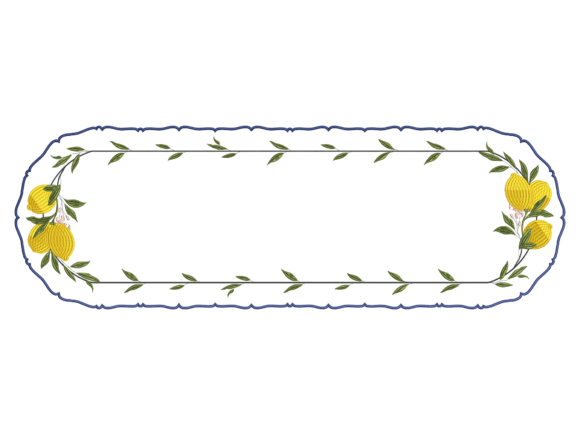
Lemon Runner Embroidery Design Review
As an embroidery designer who has spent years digitizing files for small businesses, I know that not every machine embroidery design is created equal. When a client approaches me with a concept for branded merchandise, the difference between a amateurish logo and a professional asset often comes down to stitch quality, scalability, and visual impact. Recently, I evaluated the Lemon Runner Embroidery Design to determine its viability for commercial use in the kitchen and lifestyle sectors. This review breaks down how this digital asset performs when applied to real-world business needs, from staff uniforms to customer gifts.
First Impressions: Visual Personality and Brand Fit
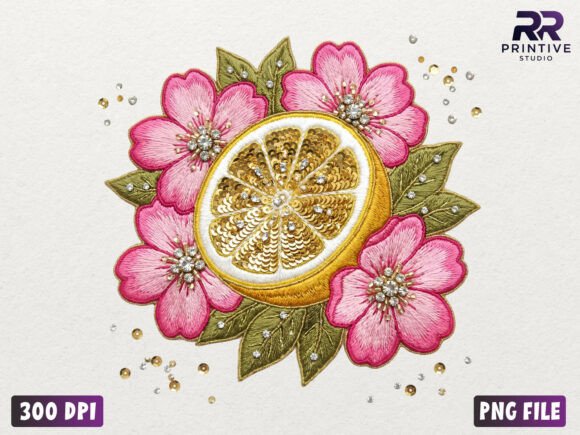
The moment you unzip the file—delivered conveniently in ZIP or RAR format for instant download—the first thing to assess is the aesthetic tone. The Lemon Runner Embroidery Design strikes a balance that is increasingly rare in digital marketplaces: it feels both playful and premium. For businesses in the Kitchen category, such as boutique bakeries, artisanal cafes, or local florists, this design exudes a friendly yet polished vibe. It does not scream "cheap souvenir"; instead, it suggests a handmade, curated experience.
The visual personality leans toward rustic elegance with a modern twist. This is crucial for brand identity. If your target audience values authenticity and craftsmanship, this design aligns perfectly. It avoids the overly complex detailing that often gets lost in production, opting instead for clean lines that translate well into thread. However, because this is a digital embroidery file, remember that no physical item is shipped. You must visualize the end result based on your own material choices and machine capabilities.
Performance in Real Business Applications
The true test of any embroidery file is its versatility across different substrates. I tested the Lemon Runner Embroidery Design mentally against several common small business merchandising scenarios. Here is how it holds up:
- Embroidered Patches: This is perhaps the strongest application. The design’s structure allows it to be scaled down for a chest patch or scaled up for a back panel without losing integrity. It works exceptionally well as a woven-style patch alternative, adding texture to denim jackets or canvas tote bags.
- Staff Uniforms and Aprons: For cafe staff or bakery teams, apron embroidery is a subtle but powerful branding tool. The design sits cleanly on the bib of an apron, offering a professional touch that customers notice. It reinforces the idea of a handmade product environment.
- Cap Embroidery: Curved surfaces are tricky. The Lemon Runner Embroidery Design appears to have sufficient spacing to avoid puckering on the front panel of a baseball cap, provided the correct stabilizer is used. It serves as an excellent accent for seasonal promotions or team uniforms.
- Tote Bag Design: Canvas totes are a staple for retail shops. The design’s boldness ensures it remains visible even on textured fabric. It transforms a simple bag into a walking advertisement for your brand.
For Etsy sellers and craft creators, this design can also serve as a standalone finished product. Think of embroidered kitchen towels, pot holders, or decorative wall hangings. The instant download nature means you can produce these items on demand, reducing inventory risk.
Critical Considerations for Production
While the design is strong, experienced decorators know that pitfalls exist. You must approach the Lemon Runner Embroidery Design with a critical eye regarding technical execution. Here are the areas where caution is required:
- Stitch Density and Fabric Texture: If the design has high stitch density, it may cause puckering on lightweight fabrics like silk or thin cotton. Always test on a scrap piece of your actual production fabric. For textured materials like terry cloth towels, ensure the underlay stitches are sufficient to anchor the design.
- Small Scale Legibility: When shrinking the design for tiny labels or sleeve details, check if fine lines merge. What looks crisp on screen can become a blob of thread at one inch wide. Verify the minimum viable size before committing to a large run.
- Thread Color Contrast: The design’s impact relies heavily on color choice. On dark uniforms, ensure you use bright, contrasting thread colors. A yellow lemon motif on a navy blue shirt pops; on a beige shirt, it may vanish. Create a printable mockup to preview these combinations before stitching.
- Hooping and Stabilization: Confirm the required hoop size against your machine’s capabilities. Use a cut-away stabilizer for garments that will undergo frequent washing, such as staff t-shirts, to maintain shape over time.
It is vital to note that since this is a digital product, there are no returns or refunds. You must be confident in your technical ability to execute the file before purchase. Check the specific file formats included in the ZIP or RAR archive to ensure compatibility with your embroidery software.
Elevating Brand Identity and Customer Trust
Beyond the technical aspects, the Lemon Runner Embroidery Design plays a strategic role in small business merch. Consistent visual assets build trust. When a customer receives a tote bag or wears an apron featuring a well-executed embroidered logo, it signals professionalism. It tells them that you care about details. This perception increases the perceived value of your custom apparel and other products.
For commercial embroidery projects, consistency is key. Use this design alongside your other design assets to create a cohesive look. Whether it is on a product packaging accent or a gift with purchase, the tactile quality of embroidery engages buyers in a way that printed graphics cannot. It invites touch and creates an emotional connection to the brand.
Practical Designer Notes for Implementation
Before you launch your next marketing campaign using this design, follow these steps to ensure success:
- Test in Black and White: Remove color variables to check if the shape and structure hold up. If the design loses definition without color, it may need adjustment or larger scaling.
- Check Commercial Licensing: Although instant download is convenient, always confirm the license terms. Ensure you have the rights to use the Lemon Runner Embroidery Design for physical goods you intend to sell.
- Create Client Mockups: If you are doing work for a client, present a digital mockup first. Show them how the design looks on a cap versus an apron. This manages expectations and reduces revision requests.
- Inspect Spacing: Look closely at the digitizing. Are there jump stitches that need trimming? Is the satin stitch width consistent? A quick inspection can save hours of cleanup later.
In conclusion, the Lemon Runner Embroidery Design is a versatile asset for businesses looking to add a touch of warmth and professionalism to their merchandise. It fits seamlessly into the Embroidery workflow for those who prioritize quality and brand consistency. By respecting the technical requirements of fabric, stabilizer, and scale, you can transform this digital file into a tangible asset that drives engagement and sales. Remember, the value lies not just in the file itself, but in how thoughtfully you apply it to your unique brand narrative.