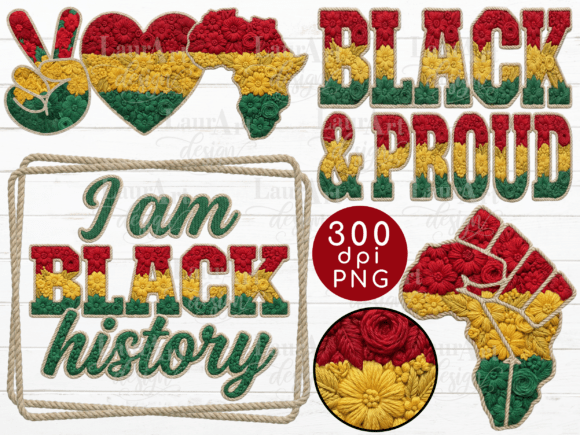
Reviewing Black History Faux Embroidery Crochet
As an embroidery designer who has spent years digitizing files and consulting with small business owners, I approach every new machine embroidery design with a critical eye. It is not just about whether a graphic looks pretty on a screen; it is about how it performs under the needle, how it elevates a brand, and whether it holds up in the real world of commercial production. Today, I am reviewing Black History Faux Embroidery Crochet, a digital asset that promises to bring texture and cultural resonance to branded merchandise.
This review is tailored for embroidery shops, apparel decorators, handmade brands, Etsy sellers, and product designers who are considering adding this piece to their library of design assets. We will look beyond the aesthetic appeal to evaluate its practical application in creating high-value small business merch.
First Impressions: Visual Personality and Texture
The title itself, Black History Faux Embroidery Crochet, suggests a specific visual language. It implies a blend of heritage, craftsmanship, and tactile warmth. In the realm of T-Shirt Designs and Graphics, many options feel flat or overly corporate. This design appears to offer something different: a sense of handmade authenticity. The "faux embroidery" and "crochet" elements suggest a rustic yet premium feel, which can be incredibly powerful for brands that want to project warmth, community, and artisanal quality.
For a boutique owner or a creative studio, this visual personality is a strong asset. It does not scream for attention with neon brightness but rather invites closer inspection. It feels friendly and elegant, bridging the gap between modern minimalism and classic decorative arts. This makes it suitable for businesses that value storytelling and cultural connection in their brand identity.
Real-World Applications for Small Businesses
When I evaluate a digital embroidery file, I immediately visualize it on various substrates. Here is how Black History Faux Embroidery Crochet performs across different commercial applications:
- Embroidered Patches: This is perhaps the strongest use case. The faux crochet texture translates beautifully to patch work, allowing for a raised, textured look that customers love to touch. It works well as a standalone badge for tote bags or jackets.
- Staff Uniforms and Aprons: For cafes, bakeries, or florists, adding this design to an apron embroidery layout adds a personal touch. It signals that the staff cares about craft and detail, enhancing customer trust.
- Cap Embroidery: Placing this on the side panel or back of a cap can serve as a subtle brand mark. However, care must be taken with curvature, which we will discuss later.
- Tote Bag Design: Canvas totes are a staple for eco-conscious brands. This design’s rustic feel complements natural fibers perfectly, turning a simple bag into a statement piece.
- Event Merch and Customer Gifts: Whether for a cultural heritage month celebration or a local community event, this graphic serves as a meaningful finished product that resonates emotionally with buyers.
Technical Considerations and Placement Strategy
While the aesthetic is promising, technical execution is where many projects fail. As a designer, I advise caution in specific scenarios. The intricate nature of faux crochet and embroidery effects means that stitch density is a critical factor. If the design is scaled down too small, such as for a tiny chest logo on a work shirt, the details may merge together, losing the intended texture.
Here are key areas where you should use Black History Faux Embroidery Crochet carefully:
- Small Patch Sizes: Ensure the minimum size maintains clarity. Test stitch-outs at 2 inches versus 4 inches to see where detail loss occurs.
- Curved Surfaces: On caps or curved sleeves, complex textures can cause puckering if the stabilizer is not robust enough.
- Dark Uniforms: If using dark thread on dark fabric, ensure there is enough contrast in the design’s structure so the texture remains visible.
- Frequent Washing: Items like aprons and work shirts undergo rigorous cleaning. Verify that the stitch types used in the faux effect are secure and not prone to snagging.
It is crucial to remember that this is a Digital Item. The description explicitly states: “When used on physical products, please watermark the design. Digital resale is not allowed.” This means you cannot sell the file itself, but you can sell the physical items you create with it. Always respect these licensing boundaries to maintain professional integrity.
Enhancing Brand Identity and Customer Trust
In today’s market, consumers are looking for more than just a product; they are looking for connection. Using Black History Faux Embroidery Crochet in your custom apparel line can significantly boost perceived value. It suggests that your brand invests in quality and cultural appreciation. This builds brand identity that is both recognizable and respected.
For Etsy sellers and crafters, this design can differentiate your shop from competitors using generic clipart. It adds a layer of sophistication to your printable mockup presentations and actual handmade product listings. When customers see a well-executed embroidered detail, they associate it with higher quality and are often willing to pay a premium price.
Practical Designer Notes for Production
Before you run this design on your production machine, follow these steps to ensure a flawless result:
- Test in Black and White First: Remove color variables to check if the shape and texture hold up without hue differentiation.
- Check Thread Color Contrast: Choose thread colors that highlight the faux crochet effect. Monochromatic schemes can look elegant, but contrasting tones may better showcase the texture.
- Inspect Spacing and Hoop Size: Confirm that the design fits comfortably within your hoop size without hitting the edges. Leave adequate margin for stability.
- Use Proper Stabilizer: Given the potential density of faux embroidery effects, use a cut-away stabilizer for stretchy fabrics like t-shirts, and tear-away for stable woven fabrics like tote bags.
- Create a Mockup for Client Approval: If working with B2B clients, show them a realistic printable mockup or a test stitch-out before full production.
- Verify Commercial Licensing: Although the description allows for physical product creation, always double-check the specific terms provided by the creator to ensure compliance for your specific business model.
Note that the product description does not specify exact stitch count, file format, or recommended hoop size. As a professional, you must request or verify these details from the seller before committing to a large production run. Without knowing the file format (such as PES, DST, or JEF), you cannot guarantee compatibility with your specific embroidery machine.
Final Verdict
Black History Faux Embroidery Crochet is a versatile and meaningful addition to any embroidery designer’s toolkit. It excels in applications where texture and cultural resonance add value, such as patches, aprons, and tote bags. By paying attention to technical details like stitch density and stabilizer choice, small business owners can transform this digital asset into a powerful tool for building brand loyalty and creating beautiful, tangible products. Use it wisely, respect the licensing terms, and let the craftsmanship speak for your brand.