Reviewing the Bee Applique Embroidery Design
As an embroidery designer who has spent years digitizing patterns for commercial clients, I approach every new machine embroidery design with a critical eye. It is not just about whether a pattern looks cute on a screen; it is about how it performs under the needle, how it holds up after washing, and most importantly, how it serves the brand identity of the small business using it. Recently, I had the opportunity to review the Bee Applique Embroidery Design, a piece categorized under Nursery and Embroidery that promises charm and child-like simplicity. While its roots may be in playful decor, my focus here is strictly on its viability for small business merchandise, branded patches, and professional apparel.
First Impressions: Balancing Playfulness with Professionalism
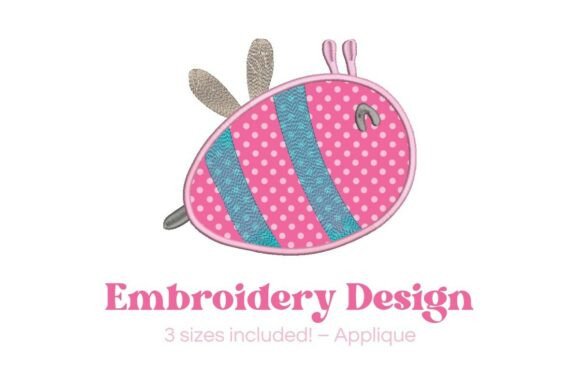
The first thing that strikes you about the Bee Applique Embroidery Design is its inherent friendliness. The description highlights a "bumbling bee" with charisma, and visually, this translates to soft curves and an approachable aesthetic. For a bakery, a florist, or a pet brand, this visual personality is gold. It does not scream corporate rigidity; instead, it whispers warmth and care. However, for high-end boutiques or minimalist creative studios, the challenge lies in execution. The design must be scaled and stitched with precision to ensure it reads as intentional branding rather than accidental craftiness. The attention to detail mentioned in the product description is crucial here, as clean applique edges define the difference between a homemade look and a handmade premium product.
Real-World Applications for Small Business Merch
When evaluating a digital embroidery file for commercial use, I always map out potential applications. This bee design is surprisingly versatile if handled correctly. Here is how it performs across various mediums:
- Embroidered Patches: This is perhaps the strongest use case. An applique design reduces stitch count compared to full-fill embroidery, making it ideal for patches that need to remain flexible. A bee patch on a denim jacket or a canvas tote adds instant character without adding excessive weight.
- Staff Uniforms and Aprons: For cafes and bakeries, apron embroidery is a subtle yet effective branding tool. Placing this bee on the chest pocket or lower corner of an apron creates a cohesive team look. It signals to customers that the staff is part of a curated, thoughtful experience.
- Cap Embroidery: Caps are tricky due to the curved surface. The bee’s compact shape works well on the front panel, provided the hoop size is appropriate. It avoids the distortion issues that wider, horizontal logos often face on structured caps.
- Tote Bag Design: Canvas bags benefit from the texture contrast of applique. The fabric layer of the bee adds depth against the woven background, creating a tactile finished product that customers love to touch and use.
Navigating Technical Challenges in Production
While the aesthetic is appealing, any experienced embroiderer knows that applique comes with specific technical demands. Before running this design on a client’s order, there are several factors to consider regarding stitch density and fabric interaction.
First, consider the scale. If you are using this as a small label or a tiny chest logo, the details of the bee’s wings and body must remain distinct. If the design is too small, the satin stitches outlining the applique fabric may merge, losing definition. Always test the design at the intended size on a scrap piece of the actual production fabric. Fabric texture plays a massive role here; a fluffy towel will swallow small details, while a smooth twill will showcase them sharply.
Second, think about thread colors and contrast. The bee motif relies on the contrast between the applique fabric and the surrounding material. If you are stitching on dark uniforms, ensure the bee’s fabric is light enough to pop, or use a bright border stitch. Conversely, on light tote bags, a darker bee fabric will create a bold statement. Never assume the default thread colors in the preview match your brand palette. Adjust the thread colors to align with your brand identity before finalizing the file.
Stabilizer and Hoop Considerations
Applique requires secure stabilization to prevent shifting during the tack-down and cut-away phases. For stretchy fabrics like jersey t-shirts, a cut-away stabilizer is non-negotiable to maintain the shape of the bee over time. For woven fabrics like canvas or denim, a tear-away might suffice, but I recommend testing for puckering. Always confirm the required hoop size before purchasing or downloading the file. If the design exceeds your machine’s standard hoop, you may need to re-digitize or split the design, which can compromise the integrity of the applique placement.
Enhancing Brand Identity and Customer Trust
Why choose this specific bee over a generic clipart? Because consistency builds trust. When a customer sees the same Bee Applique Embroidery Design on your packaging, your staff aprons, and your social media printable mockup, it reinforces recognition. It transforms a simple transaction into a brand experience. For Etsy sellers and handmade product creators, this level of detail signals quality. It shows that you care about the finish of your goods, which justifies higher price points and fosters customer loyalty.
Moreover, using a cohesive set of design assets, including this bee, helps in creating a unified visual language. Whether it is used as a sleeve detail on a work shirt or a central motif on a baby blanket, the consistent style ties your product line together. This professionalism is what separates hobbyists from serious small business owners.
Practical Designer Notes for Commercial Use
Before you integrate this design into your production workflow, follow these steps to ensure success:
- Test in Black and White: Remove color from your view to check the contrast and structure. If the design loses its shape without color, it may rely too heavily on hue rather than form.
- Check Licensing: Confirm commercial licensing terms. Ensure the embroidery file allows for unlimited physical sales if you plan to mass-produce items.
- Create a Mockup: Use a printable mockup to show clients or stakeholders how the bee will look on different garments. This manages expectations and reduces revision requests.
- Inspect Spacing: Look closely at the gap between the applique fabric and the satin stitch border. Too wide, and it looks sloppy; too narrow, and the fabric may fray or pull out.
- Wash Testing: Always wash a test sample. Applique edges can lift if not secured properly. Ensure the adhesive or stitching holds up to industrial or home washing standards depending on your product type.
In conclusion, the Bee Applique Embroidery Design is a strong contender for small businesses looking to add a touch of whimsy without sacrificing professionalism. Its versatility across patches, apparel, and accessories makes it a valuable asset in your digital library. By paying attention to technical details like stabilizer choice, fabric texture, and scale, you can leverage this design to create high-quality, branded merchandise that resonates with your audience. Remember, the best embroidery is not just seen; it is felt and experienced, building a tangible connection between your brand and your customers.