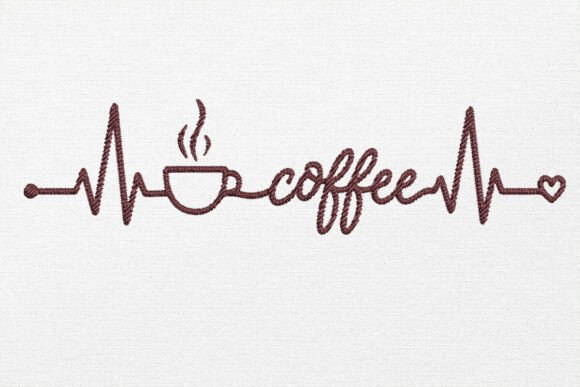
Reviewing the Heartbeat Embroidery Design for Real Projects
As a designer who has spent years translating digital files into tangible, stitched reality, I approach every new machine embroidery design with a mix of curiosity and caution. We have all seen beautiful previews that turn into tangled messes on the hoop. Recently, I evaluated the Heartbeat Embroidery Design, a piece that markets itself as featuring elegant wildflowers in a minimalist style. My goal was not just to admire the aesthetic, but to determine if it holds up under the needle for real-world applications, from boutique merchandise to personalized gifts.
First Impressions and Visual Personality
The initial visual impact of the Heartbeat Embroidery Design is one of understated elegance. In an era where maximalist patterns often dominate social media feeds, this design chooses restraint. The layout suggests a delicate balance between organic shapes and clean lines. For embroidery designers and crafters, this minimalism is both a blessing and a challenge. It relies heavily on precision rather than density to make its statement.
The mood it creates is serene and modern, making it an excellent candidate for contemporary home decor or subtle apparel accents. Unlike dense fill-heavy designs that can stiffen fabric, this piece appears to prioritize flow. However, the description mentions "Love Hands Line Art," which hints at a potential combination of floral elements with linear human forms. This juxtaposition requires careful handling to ensure the thematic elements do not clash visually when translated into thread.
Real-World Application: The Tote Bag Test
To truly understand how this design performs, I imagined a specific scenario: creating a custom tote bag design for a local bookstore’s spring collection. Canvas tote bags are unforgiving; they have a coarse fabric texture that can swallow fine details. If the Heartbeat Embroidery Design relies too heavily on thin running stitch outlines without adequate support, the wildflowers might lose their definition against the weave of the cotton canvas.
In this context, the design shines if used with a proper cut-away stabilizer. The minimalist nature means there is less bulk, which is ideal for a bag that needs to remain foldable and functional. For an Etsy seller or small shop owner, this translates to lower material costs and faster production times. The design does not require hours of machine time, allowing for higher throughput during peak holiday seasons.
Apparel and Wearability Considerations
Moving from accessories to clothing, I considered this design for sweatshirt embroidery. Here, the stakes are higher. A heavy fleece can distort if the stitch density is too high, but it can also obscure details if the stitches are too sparse. The Heartbeat Embroidery Design seems well-suited for the left chest area of a hoodie or the cuff of a sleeve. Its compact footprint allows for subtle branding or personalization without overwhelming the garment.
For baby embroidery projects, such as onesies or burp cloths, the softness of the final product is paramount. Minimalist designs typically use fewer satin stitches, which reduces the risk of irritation against sensitive skin. However, one must verify that any connecting bridges or jump stitches are trimmed cleanly. Parents value durability, so ensuring the design withstands frequent washing is critical. I would recommend testing the washfastness on a scrap piece before committing to a full batch of personalized gift items.
Navigating Technical Challenges
While the aesthetic is appealing, practical execution requires vigilance. There are specific scenarios where the Heartbeat Embroidery Design should be used carefully. First, consider curved surfaces like caps. Embroidering on a structured cap requires precise digitizing to prevent puckering. If the wildflower elements have sharp corners or intricate curves, they may distort on the rounded crown of a hat. Always hooping with a strong stabilizer is non-negotiable here.
Second, dark fabrics present a contrast challenge. If the design is intended for black or navy textiles, you must ensure the thread colors pop. A minimalist design lacks the mass of color to correct poor contrast choices. I advise running a test on a dark scrap to see if the finer lines of the wildflowers disappear into the background. Using a lighter underlay or adjusting the thread palette can save a project from looking muddy.
Additionally, be wary of tiny lettering if the design includes text elements. Small fonts often suffer from readability issues once stitched. If the "Love Hands" component includes script, zoom in on your software to check for legibility. If the letters merge together, consider resizing the design or simplifying the font choice for smaller hoop size applications.
Enhancing Brand Value and Customer Trust
For creative entrepreneurs, the choice of design assets directly influences brand perception. Using a refined, minimalist design like Heartbeat Embroidery Design signals professionalism. It suggests that the maker values quality over quantity. This can enhance customer trust, especially for boutique branding where uniqueness is key. A well-executed minimalist piece looks intentional and high-end, whereas a poorly executed complex design can look chaotic and cheap.
When creating printable mockup images for online listings, this design offers versatility. It looks equally good on linen, denim, or cotton, allowing sellers to showcase a wide range of products without needing multiple design variations. This efficiency is crucial for digital embroidery file sellers who need to demonstrate the versatility of their work to potential buyers.
Practical Designer Notes
Before launching into production with the Heartbeat Embroidery Design, keep these practical steps in mind:
- Test on Scrap Fabric: Always stitch out the design on the exact fabric type you plan to use. This reveals tension issues and density problems early.
- Check Thread Contrast: Ensure your thread colors provide sufficient contrast against the background fabric, especially for minimalist line work.
- Review Stitch Density: Verify that the density is appropriate for your fabric weight. Too dense on thin fabric causes puckering; too sparse on thick fabric lacks coverage.
- Confirm Hoop Size: Ensure the design fits comfortably within your hoop, leaving enough margin for secure clamping.
- Inspect Small Details: Zoom in on the digital file to check for tiny, isolated stitches that may cause thread breaks or bird nests.
- Verify Licensing: If you plan to sell finished items or the digital embroidery file itself, confirm the license terms. Not all designs allow for commercial use.
In conclusion, the Heartbeat Embroidery Design offers a sophisticated option for makers looking to add a touch of modern elegance to their work. Whether you are creating a holiday embroidery gift, a custom embroidered patch, or a line of commercial embroidery products, this design rewards careful preparation. By respecting its minimalist nature and attending to technical details, you can produce a finished product that delights customers and stands the test of time.